Episode Transcript
[00:00:00] Speaker A: Foreign.
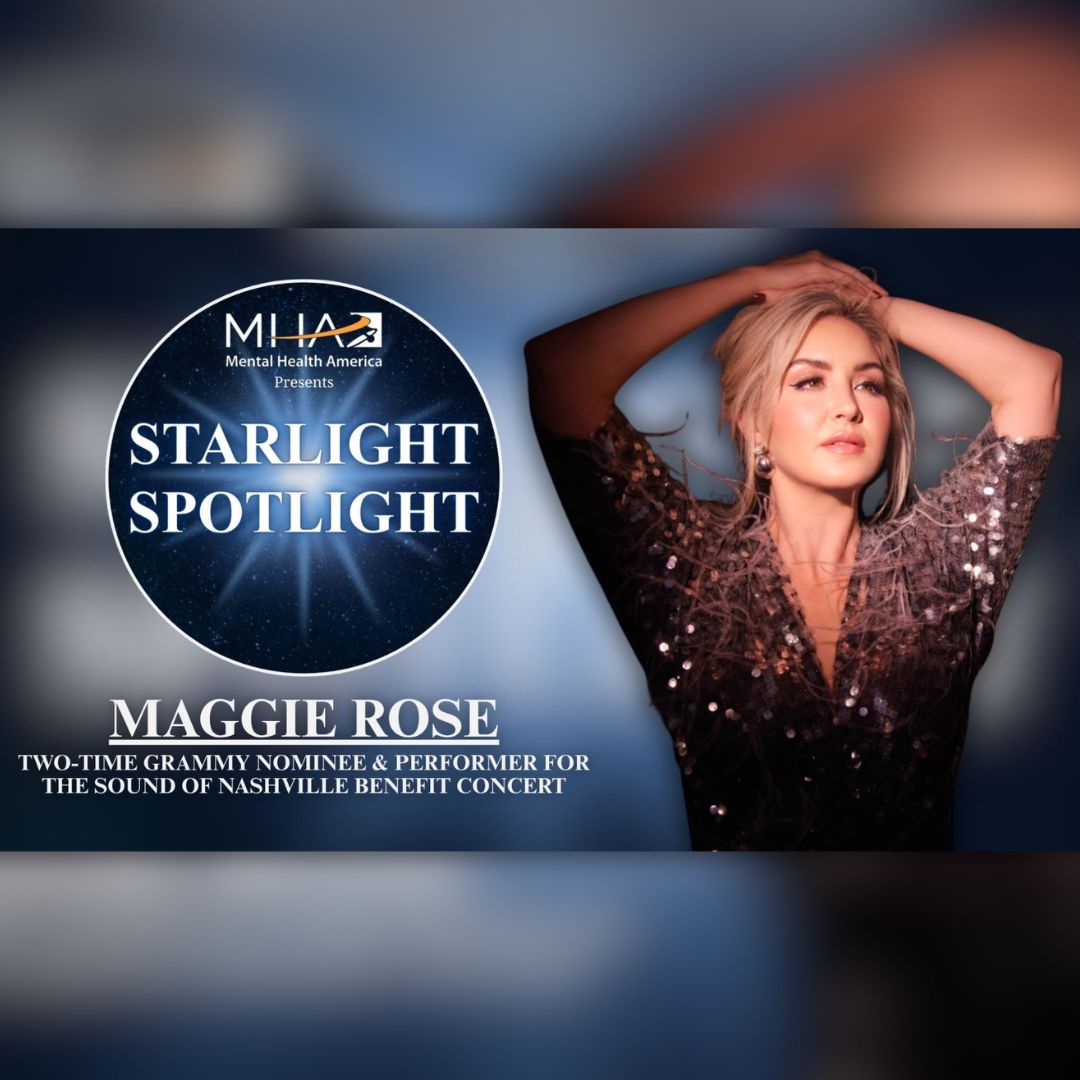
[00:00:06] Speaker B: Thanks so much for tuning in to your best you real conversations around mental wellness. Not just that. We're having a special Starlight Spotlight where we're featuring industry professionals and entertainers from in and around the area discussing their success and psyche. This is the third. Wait, third or fourth? I don't know which one. That's what what it's like when we're recording in and out of order. We're speaking with one of the artists from our upcoming Sound of Nashville benefit concert happening on October 6th at the BARTV Opera House and Poughkeepsie. Really excited to speak with this musician right now. Two time Grammy nominee for 2025's Best Americana Album. No one gets out alive in 2026's Best Americana Performance. Poison in My well, she's singer, songwriter, also host of Salute the Songbird with Maggie Rose, works closely with musicians on call and does plenty of other activist work with us. Today we have Maggie Rose. Maggie, how are you?
[00:00:57] Speaker A: Thanks for the intro, Connor. I'm good. Thanks for having me on the third or fourth installation of this.
[00:01:03] Speaker B: Yeah, I'm not sure where we are on the order. I just know the order that we have it with recording this, how it's going to be released. Third, fourth. We'll see. We'll see how it is.
[00:01:11] Speaker A: Yeah. The listener is going to be a choose your own adventure kind of experience.
[00:01:15] Speaker B: So I like that. Good way of going about it.
[00:01:17] Speaker A: You need it to be today, dear listener, that's up to you.
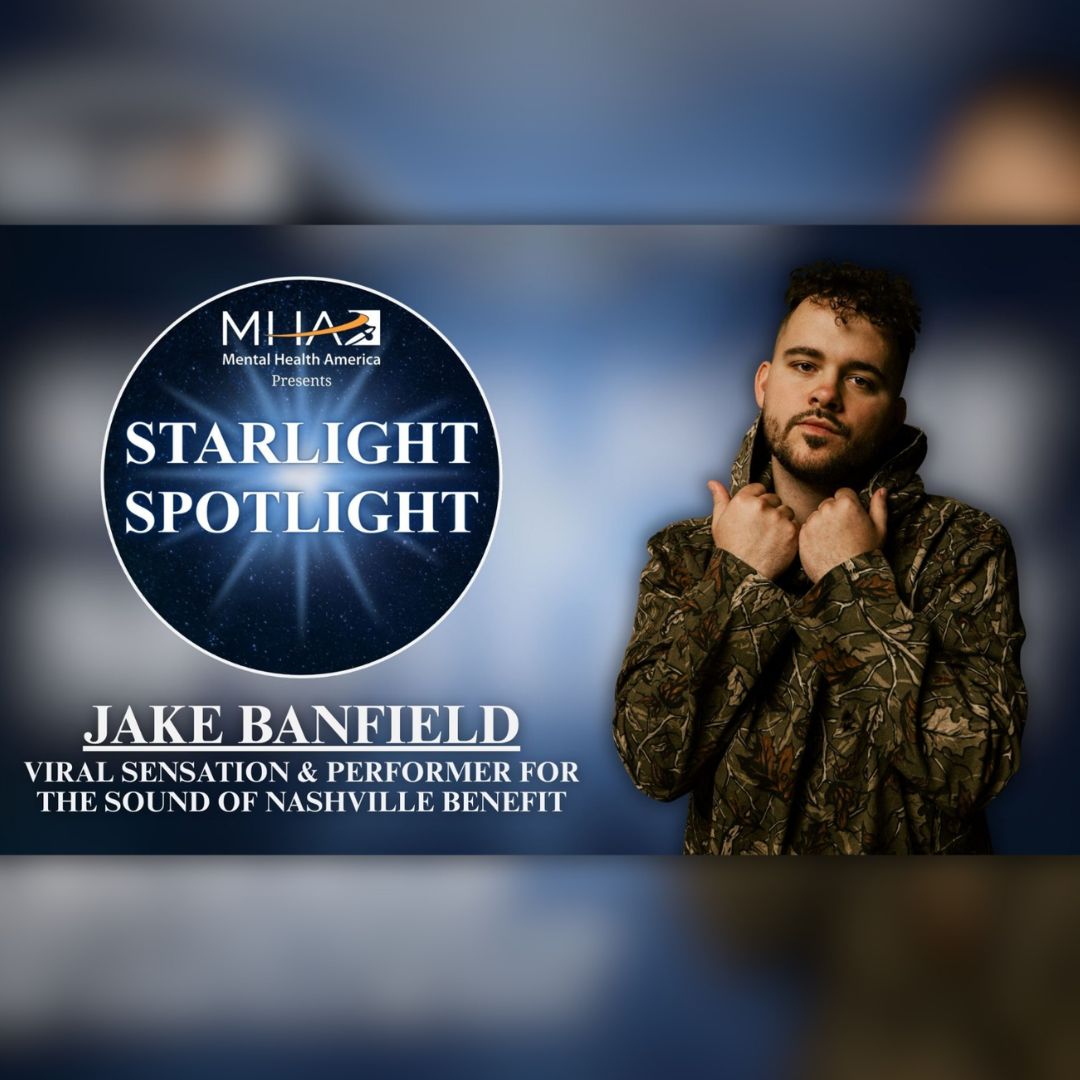
[00:01:20] Speaker B: I like that approach. Fantastic. Well, hey, that's where we try to be. We try to meet everybody where they are, but that's fantastic. So, Maggie, again, thank you. Thank you so much for being a part of this Sound of Nashville concert that we have going on. You're going to be sharing the stage with Grand Ole Opry member Craig Morgan, voice finalist Ian Flanagan, viral sensation Jake Banfield, and special guest Brooke Moriber. What a stacked lineup. And then you yourself, my God, love your music. Love diving into it all. How does it feel to be a part of a concert of this magnitude and to be helping out with, you know, mental health programs?
[00:01:51] Speaker A: Well, I'm really excited about the emphasis on mental health, obviously, the lineup. I've met Craig and Ian many times and gotten to collaborate with them. I'm looking forward meeting the other guests on the lineup. They will be my new friends on October. I love the fact that this is something you guys are bringing into light because it's particularly right now a really tenuous time to be in the creative community. There's a lot of tension surrounding this need for social media content and presence, and probably putting too much currency into that in terms of how we validate ourselves as musicians, and also just how the industry is using that as such a metric. I think that's probably what's on my mind the most today. And with everyone's got the algorithm blues with how it's changing, and it's funny that something that should connect us so much is really isolating AI looming. And, you know, it's just. It's a lot of weird, big shifts that are happening, and we're trying to just do what we love and play shows and stay physically and mentally well enough to do that.
[00:02:49] Speaker B: It's a tough landscape to be in right now. You know, I got my support, live music, hat on. But it's one of those things where it is so strenuous and difficult to be able to build any kind of platform, any kind of audience.
And then a lot of the times when it comes to social media, you're right, it's a necessary or unnecessary evil to it. You know, my role here is production and social media manager. When I am not working, I don't like to be on social media personally. I like to experience things in real life, and that's huge. You know, you've been part of the music industry, if I have it right. You know, you've been releasing music since 2011.
You've seen a lot change over that time period. That's about 15 years right there. But in terms of technology, that's like a millennia. So when you were first getting started in the music industry and you were first releasing music, what was it like as you were trying to build your audience then versus what you're trying to do now?
[00:03:42] Speaker A: We were in the dawn of Twitter when I was first releasing my first single. There was, of course, MySpace. I'm dating myself now. But like you said, these things evolve at lightning speed. So just even 10 years ago, the landscape was totally different. 2011 was completely foreign to how I release and connect with my fans now. But I also think, you know, what was going on behind what I was putting out there on whatever social media platforms existed at the time. I was also trying to find my voice and I was new to Nashville and like a teenager who had moved here and figuring out how to write a song and, you know, what I wanted my path to be like. So in a way, I'm happy that there isn't the level of documentation from that time that there is now. And I feel for artists who are just now trying to establish themselves and feeling like everything is being observed. Because I at least got to evolve and find myself during a time where I could course correct and explore and experiment without feeling like I was looking scattered, I was appearing scattered all over the place.
So I think that's my reflection from at least the beginnings of my career and the relationship with social media. It did feel like I was getting to really be known for what I was playing live and for the music I was releasing to terrestrial radio.
[00:05:05] Speaker B: Oh, absolutely. And having the way that terrestrial radio was, my background's in radio. So I went through all of that and I've seen the way that things have changed. And it's not as easy to get one of your songs on radio. And then when you have songs on radio, it doesn't have the same push that it used to. It can help, but it's not exactly what it used to be. That being said, you know, again, we're here talking today because we're promoting a live concert. We're here supporting live music. That being said, it's really weird today how you can build a following without ever having to step on a stage. And that is weird. That is like, so foreign for what the entertainment and music industry has been for so long. So please talk to me about why you love going out there on tour, why you like getting out there and physically being with audiences.
[00:05:56] Speaker A: Yeah, I mean, I think my career model is the opposite of what you just described. Like, I've built something very sustainable over many years because of just consistently touring and going out and playing live music. I think that there are so few things in life that exist that demand that level of presence from both the performer and the audience. And it's something that you have to physically be at to experience.
There are great live streams and everything like that, which I also love that that exists now. But there's nothing like the real thing and being in that moment and the urgency of live music.
There's a forgiveness to it, there's an energizing aspect of it. It makes you take stock of time because you do all this planning and advancing for this two hours of music and then it's worth it, but then it's over and you're on to the next town. And I also think that there's something about what I love to do which is make sure that when I'm in the studio, I'm able to honor how we're going to translate that to a live setting. And that's how songs new meaning and they Evolve. I think they grow when you bring them out to a crowd too. We even sing some songs from the record that's coming out in August. Just from what we're doing already on the road. It's already evolved the performance a little bit from what we recorded.
And that's exciting to me. Not only that's. That's a rapport between me and the audience that has led to those effects.
[00:07:20] Speaker B: Oh, without a doubt. I'm very excited about all of that for you. As a musician myself, every time I get to perform out live, you know, it is addicting. Is like the moment is that it's done. It's like, when's the next one? Is like, I can't wait to keep doing this again. And it's not like an attention seeking thing. It's just there's the rush of that connection. And I love the wording that you used about like the urgency and forgiveness about having a live setting. You're right. That is so beautifully said. My gosh.
So with that, you know you have new music coming out in August, as you said. I would love to hear more about that. But you're also going to be going on tour with Melissa Etheridge. Congratulations on that. That's going to be awesome. And you have a show at Bethel woods on June 28th here in the Hudson Valley. So people, people who are coming to see the Sound of Nashville concert, they can check you out early, make their way over to Bethel woods, kind of get a sneak peek of what they can expect.
Let's talk about what audiences can expect at both the Bethel woods concert and then later live with all your new music at the Sound of Nashville concert.
[00:08:26] Speaker A: Yeah, so I hitting the road with Melissa Etheridge and Winona Judd. So it's pretty.
[00:08:30] Speaker B: Oh really?
[00:08:32] Speaker A: Yeah. Very excited about it. I grew up, you know, I joined as an honorary member of a Bruce Springsteen tribute band called the B Street Band. They would back me up as I opened up for them. I'd leave the Bruce songs to them, but in my set of covers, both Winona and Melissa had entries. So to be able to go out with them and introduce myself to their audience is going to be really exciting. This summer in Bethel woods, it will be a slightly different format from what people will see in October because it will just be a more acoustic, broken down presentation of the songs because I'm the first of the three acts. And then in October we'll have the full band, which we've just done a co headlining tour with Molly Tuttle. We did a bunch of dates together. We did some festivals last weekend, and it's been so fun to just bring these songs to life with all those components.
And the album coming out in August, is called Half Moon, which really documents a lot of the time right before my son was born and, of course, this first year of his life. I finished it a couple of months ago, and I wrote the title track two days before he was born. And I knew on April 13 he was born under a full pink moon.
And I wrote the majority of these songs with the same two people, Daniel Tashian and Laurence Rothman, who are the producers of the album as well. So they got to kind of guide me through this really emotional, like, exciting, transformative time.
And I told them about the full moon coinciding with Graham's birth. And we wrote this song about how the moon is always there in its entirety, but it presents differently every day depending on how much light it's given. And the moon is something that revolves around a larger object, which is very much what motherhood is about. And I was feeling excited and scared and insecure, worried about what it was gonna look like on the other side of this. And the moon is always waxing and waning and returning to itself. And I think that's what I've been doing in this season. And then the album as a whole has this duality to it. So the title, Half Moon, alludes to the lightness in the record and also the more dark, even sultry aspects of it, because all those things are still there. And it's been so fun to be out on the road with my son, with us, and have this body of work that has really gotten to capture so much of what I've been feeling in this first season of loving him.
[00:10:53] Speaker B: That is so beautiful.
[00:10:55] Speaker A: I'm sure it really is. Like, it's kind of beautiful.
I'm. I'm exhausted, and I think I have a lot of help. And the music industry doesn't always facilitate female artists starting a family. There's. I have a village of people that help me. My husband and I work together. We have a nanny that we love who comes out on the road with us. And my husband's parents. And my parents are always there to help, but they don't live near us.
And my band is very supportive. Like, I'm always like, I'm gonna tell Graham someday that he lived on a tour bus with a bunch of older dudes who loved him, but totally cool with his invasion of their space. Purposes are only.
[00:11:32] Speaker B: So I was going to say it's probably not that big. Is everybody in your band versed on changing diapers at this point yet?
[00:11:39] Speaker A: No, absolutely not.
There are boundaries. There are boundaries that. And expectations that I don't make of people.
[00:11:47] Speaker B: But understandable.
[00:11:49] Speaker A: Tolerated being approximate to a dirty diaper.
They've been polite about, you know, the fact that they will have to. Yeah. Be victim to maybe some of the fallout sometimes.
[00:12:01] Speaker B: Understandable, Understandable. Well, first of all, really, really excited about that concert in June at Bethel Woods. We're going to try to bring out as big of an MHA community as we can to that, so we're going to have plenty of supporters there for you. Really looking forward to that. But then when it comes to your
[00:12:16] Speaker A: music, it'll be like a totally different show in October.
[00:12:19] Speaker B: Yeah.
[00:12:20] Speaker A: And then you'll know the songs so you'll feel like maybe you're in on a secret when October rolls around.
[00:12:26] Speaker B: Ooh, in on a secret. Gosh, Maggie, I can tell how much of a songwriter you are because through this entire interview so far, you've been so lyrical and poetic with all the word paintings you've been given us. So I can. I could just tell. I can just tell how skilled you are at it all. So with that, with this new album with Half Moon, what are some of the lessons of motherhood that you have really taken into this and that other new mothers about to be mothers or longtime mothers could really appreciate out of this? And I have to say, personally, congratulations on being a mother now and starting the family. That's a beautiful thing. I haven't had a chance to say that yet, but, yeah. What kind of lessons can women, young and old get out of this album?
[00:13:07] Speaker A: It's funny because what you and I were talking about earlier with live music, I think applies to motherhood. Like, this is your moment. Your gonna make mistakes and have to recover. You're gonna want to be as present as you can. It's gonna be the thing that you most enjoy doing and it might also terrify you.
So I think that giving yourself grace as you're navigating it and knowing that there's really no template and however you want to do it is probably instinctively the right way to do it.
So, yeah, I think having that same kind of compassionate aimed at myself as I do in other areas, lesser important areas like music, trying to do that with the most important relationship, which is with Graham, just trying to do right by him and not as gracefully as
[00:13:56] Speaker B: I can, without a doubt. Absolutely. So being able to have Graham and as much as your family as you can. On tour with you.
Obviously, touring can be a very difficult thing. Being on the road constantly, being away from home, being away from the people that you care about. But it sounds like you have a lot of people nearby fairly often, which is pretty good. Would you say that represents the way that you have toured over the years, or is this kind of a new evolution of it now that you have started a family now?
[00:14:27] Speaker A: I mean, I think I've always been lucky to have a familial relationship with everyone that's come out on the road with me. I don't ever view anyone as a gun for hire. I think if you're spending your time to be out on the road with me playing my music, and you're away from your homes and families, that it deserves respect. But I also am just someone who's probably gonna build a relationship with anyone who's out on the road with me. This has been a different type of approach. I mean, there's earlier bedtimes now, I would say, and maybe a little less tequila. And I think that the priority after the show is making sure that I can do my job the next day is not only a performer, but a mom. So it's really lifestyle changes, I think. I do believe I did a whole TED Talk on this when Graham was only four months old, and it was like, one of the scariest things that I've ever.
[00:15:20] Speaker B: Oh, wow.
[00:15:20] Speaker A: But I kind of framed the idea of parenting as a community effort. Like, we depend on a community to put a show on. You have your band and your crew, and without them, you'd look pretty silly just standing up there by yourself. So I think that it is something we should expect of the people that we designate to be in our lives from a working standpoint or a personal standpoint. And I don't blame anybody for maybe wanting to go a different path, But I think that when you decide to become a parent, you need to know that the implications of that are going to permeate all sorts of avenues of your life. And the people who you are going to spend most of your time with will be affected by those choices, too. And most people are thrilled about that. Other people might need to get some distance or find their own path.
[00:16:10] Speaker B: Yeah, no, I hear you on that. No, it makes total sense. You know, I've seen videos out there of people saying, it's like, at what point in my life will. Will I want to have kids or convince me to want to have kids? It's like, well, if you need to be convinced to have Kids, maybe that's not it for you. While there are people, like definitely myself included, that just has the strong drive to be a parent one day, I'm not yet.
But perhaps if I'm blessed with that in the future, that would be wonderful.
When it came to parenthood, was this something that you always wanted for yourself, or is this something that kind of evolved over time?
[00:16:43] Speaker A: It's something that my husband and I always wanted. But we're celebrating our 10 year anniversary next week.
[00:16:49] Speaker B: Congratulations.
[00:16:50] Speaker A: Thank you. Yeah, I know I kind of went by like that. But at the same time, that also is an indication too, that this is something that we had to really figure out logistically how to incorporate into our lives in a way that was gonna allow for, like, the best environment for Graham and also allow us to maintain the ambitions that we have, which are high and big and still many of them yet to be achieved. So it's something that finally came at a time where we could do it feasibly and it's made us work harder. But it's also, you know, we look around us at our community and the music industry, and there are not a lot of parents that are in our position. Like, it's just because it's hard to do. And that's another reason that it was a bit of a deterrent. And then there's also these fallacies that I think most thoughtful people disregard. But this idea that, oh, she's become a mom, she's not as ambitious as she once was, or, oh, that's the end of the world, that threshold of work, she's not going to maintain that output. And I feel like I have to be an exception to the rule. But I see so many of my friends that are mothers in this community have come out of the woodwork and I see that they're like the hardest working people and they are continuing to pursue their music because that's how they're preserving their specific identity too. And that's making me a better moment to Graham because it's helping me maintain the essence of who I am and who I was before he arrived. Yeah, but he's in there too, so.
[00:18:26] Speaker B: Oh, yeah.
[00:18:28] Speaker A: It's like holding on but not super tight and letting it become what it's supposed to be.
[00:18:33] Speaker B: Well, kind of sounds like 38 special there. Hold on loosely, but don't let go.
Exactly, exactly. If you cling too tightly, you're going to lose control.
Yeah, see, I got you. We're on the same wavelength right now. Perfect. But I love what you're saying. About the fallacy involved that the ambitions that you have out there, as you said, the things that you've already achieved, who you are, what makes you. Who you are, what makes you Maggie Rose, and what will continue to make you yourself moving forward. Motherhood is simply a part of that, but it is not the full definition of it. And I think that's a beautiful way of looking forward to how you're going to approach your familial life and your career. You're talking about your ambitions. I want to bring up your Grammy nominations again. How wonderful. Again. Best Americana album in 2025 and Best Americana performance in 2026. AM I can only imagine it's a very validating and rewarding feeling to have, especially about 15 years in the industry, and here you are getting these accolades. It's like. It must be like, in a way, finally, but, like, walk us through what that must feel like.
[00:19:37] Speaker A: Yes. I mean, the first nomination I got was so dramatic because I was probably five months pregnant when I found out about the nomination.
[00:19:46] Speaker B: Oh, wow.
[00:19:47] Speaker A: Yeah, it was. And no one Gets Out Alive was obviously a new album. I had released it in April of 2025. I was dropped by the label that I released it with very shortly after it was released. So that was devastating and confusing, and I was angry about having put this project together that I made without them, that they then absorbed and then waited for me to release. We released it, and then it was like it almost hurt me more than anything.
I found out shortly after that news that Graham was on the way. And then we submitted for the Grammys anyway, just independently. And I found a new label home. I'm still with them One Riot and Virgin now. And I found out that I was nominated for a Grammy in October, and it was pretty crazy. And the album was about life itself and, you know, kind of not waiting and putting off big plans. And this was a plan that was really big and one that I decided if I didn't seize, like my husband and I, that it might eventually be something that made me resent music and what we do. So it just was really poetic how it all came together. And, of course, the validation of recognition from your peers is awesome. But I know I certainly believe in the divine and that that was the sign that, you know, I was on the right path.
[00:21:14] Speaker B: Without a doubt. What divine intervention that is.
[00:21:17] Speaker A: Second nomination. When I was on a cruise ship and I couldn't get service, I asked Grace Potter to be on the song, and she said yes on the spot, and she's just amazing. And I love the song, but I wasn't expecting back to back nominations. And I got a text from my friend Tracy. I was like going all over the ship trying to make sure that this wasn't like, you can't unring that bell. I'm not gonna go tell my families, like, we got nominated again. And then, God, I was wrong.
But then we were in fact nominated that last year too. So it was very exciting.
[00:21:48] Speaker B: Incredible. I could just imagine you running around the cruise ship being like, the can you hear me now? Guy, and those old Verizon commercials just trying to get the. Trying to get the service.
[00:21:58] Speaker A: I sounded a little more desperate than the Verizon guy. I was like, fly with this phone around the middle of the ocean. But it was very cool moments. And I do think the Grammys are so special in the regard that you have to be a music maker to vote. You can't campaign in politic the way you can with some other awards. So you really can be, you know, an artist who breaks through without maybe the huge commercial success that is required of other also prestigious, but different awards.
[00:22:26] Speaker B: Absolutely. It's truly a musician's award. You're right. There's so many things out there. It just kind of becomes a popularity contest rather than anything that has to do with one's actual talent or work ethic. So to be able to have that recognition from your peers again, the validating sense of it all, the heartwarming. And again, that divine intervention as we explained a moment ago too, I think that's terrific.
So with getting that validation recently and you know, we've been talking a lot about creative freedom. We've been talking a lot about motherhood, vulnerability.
I'm sure these things are things that you talk about on your podcast, Salute to Salute the Songbird. And I, I've checked out a couple of them. I really loved the episode with Jewel in particular. That was really cool.
Yeah.
[00:23:12] Speaker A: Jewel is like very enlightened. She is, She's. She knows. She gets it for sure.
[00:23:20] Speaker B: Yeah. So let's talk about this podcast for a second. Talk about. Obviously probably similar to some of the discussions we're having right now and the topics, but why even start your show in the first place? And what's the mission that you're trying to get out of it?
[00:23:33] Speaker A: We should do a collab because I think we venture into mental health all the time. Because you can't.
[00:23:37] Speaker B: I would love to. Absolutely.
[00:23:38] Speaker A: Yeah. You can't have two women who are in the industry not address, you know, just the stamina that you have to have mentally to sustain a career in music. But I started it because I wanted connection. And the first episodes were recorded and released in 2020 during the pandemic. And I was just missing the connection I have with musicians, especially living in Nashville. I'd grown accustomed to just seeing people weekly at a live show or in a writing room, and it was just always available.
And then I started getting suggestions from all sorts of people. Oh, you need to talk to this person. You talk to this person. And Nancy Wilson from Hart agreed to do Kathy Valentine and the Go Go's. And then that's how I became friends with Alison Russell, really was through A lot of these friendships that I have now in relationships were actually born in a time where we couldn't even be together because of these episodes. I've had Britney Spencer on a couple times now, and I was listening to all these albums, and it just allowed me to throw myself into the world of these other musicians up and coming, firmly established, and realize all the similarities that we all shared and just our love for music, our need for connection, some of the struggles that we had dealt with. A lot of the advice that I got before I ever became a mother, some of the best advice came from those conversations, like Martina McBride. And I talked about how she managed it all. And it was such a gift to me to have people willing to go there with me. And it made me a better musician because I just was constantly consuming and consuming new music and reading these autobiographies of my guests. And it made our isolated worlds that we were all living in much bigger and created so much empathy within me for my.
Specifically the community of women that make music.
[00:25:19] Speaker B: Incredible. Really incredible. I'm excited to dive more into the episodes. As I said, I. I checked out a couple. I haven't heard nearly all of it yet, but that's really beautiful how it
[00:25:29] Speaker A: is right now because, like. Because life is pretty.
[00:25:32] Speaker B: You got a lot going on.
[00:25:34] Speaker A: Yeah. And it's. And as you know, you're a great interviewer. It is a lot of work. And the best way to be a good interviewer and listener is by researching way more than you'll ever even talk about in the episode.
[00:25:45] Speaker B: So.
[00:25:45] Speaker A: Yeah.
[00:25:45] Speaker B: Oh, yeah. No, you have is all these notes and it's like, I would love to touch on this, but will he ever hap. Will that happen? Who knows? It's wherever the conversation takes us to. I am one of those interviewers where it's like, I might have notes, I might have topics I want to talk about, but the moment the conversation happens and we go in one direction, throwing them all out the window. At that point, I was like, this is where we're going with it.
I've been around. I've been doing it for a while. It's funny what you said about the pandemic, because one of the shows that I still produce outside of mha, my last name is Walsh, and it's Walsh Wednesday. That's my main flagship podcast. I did that in college. It was a little entertainment series where I had my classmates on to show off their music. Then when the pandemic happened, we did this thing called the Reflective Series, and that was really my first dive into mental health. Really, it was never a part of my vernacular, my vocabulary.
It wasn't front and center for me, but it was during the pandemic that really made me realize that. And it was the conversations that I had during that period that led me to now working with Mental Health America. And again, it was also through Walsh Wednesday. Andrew, who you met a second ago, I had him on Walsh Wednesday several months later, after working together, he's like, hey, Connor, do you want to, like, start this department here? And it's like, you never know what kind of connections are going to happen when you have these deep, intimate conversations. Sure, people are going to. We were talking about the way that social media works online and whatnot, but there's something about podcasting. There's something about these interviews that touch upon a sense of rawness and realness, more so than a lot of the curated things that you see on Instagram and TikTok feed. And I'm grateful for how real it gets, and I'm grateful for you right now with how real we're getting. I appreciate it all.
[00:27:28] Speaker A: Well, thank you for saying all that. I think the pandemic sucked. We can all agree that that was awful. I feel like we're still untangling and recovering from that time.
[00:27:38] Speaker B: Without a doubt.
[00:27:39] Speaker A: Stillness, I think, made us kind of have to sit with the discomfort and look at the cracks. And I think with addiction and everything, that's why stillness is so scary, because you know you're going to look for anything to sort of numb or distract. And I appreciate that it's been destigmatized in the last six years the way that it has been. I also do. You know, I try to focus on gratitude when I talk about mental health more, because in some of these earlier episodes, if I'm completely honest on Salute the Songbird, there are moments where I listen in review and I'm like, there's a lot of gratitude missing from what I was talking about too.
And I think that's something that I need to actively work on because there have been injustices done to me in the industry. And yeah, a lot of things have, like, not been fun and there's been really low points, but I would say I've gleaned that from the last five years. It's, we need to talk about it to destigmatize it, and we also need to talk about what's working for us. And that works for me too.
[00:28:37] Speaker B: Yeah.
[00:28:37] Speaker A: And well, it sounds change.
[00:28:40] Speaker B: Yeah, well, it sounds like in the earlier episodes. First of all, you know, it was a very emotion fueled time during the pandemic. So everybody felt scared, everybody felt angry. There was a lot of emotions riding high. But it sounded like you needed to process it at that moment. And then to be able to process that and kind of speak it out, you're able to then experience, appreciate and internalize that gratitude. I love what you're saying about gratitude and how we have to express that more. I've been doing a lot of programs with a local youth group, with Southern Dutchess Community Coalition. It's a, it's this wonderful program where it's teaching kids about mental health, substance use, that and the positive things that you can do with your life. And one of the big questions we've been asking them, when you hear the term mental health, is that a positive connotation, a negative one, or a neutral one? And most of the answers have been set like the initial reaction is negative. They said when they hear mental health, it's negative. And then I try to ask, it's like, well, isn't moments of gratitude mental health? Aren't moments of excitement mental health? And they're like, oh, I never thought of it like that. But there's so many people who don't think about it like that.
[00:29:47] Speaker A: Yeah, I'm not surprised that there's a negative connotation with it though. I think that it is an epidemic right now. I think we should be actively combating it. And I think of gratitude as almost an exercise. I also don't want to be like the Pollyanna. You're like, this girl's trying to tell me to be thankful for stuff. And I just want to be pissed off over here, which is totally valid too. And I support you go feel all the things.
But I, I try to.
I'm just bringing it up because I feel like it's been the biggest antidote to depressive Patterns and things like that and feeling like it's all an exercise in futility. Well, I don't feel that way because I try to exercise gratitude and call it optimism or whatever, but I think I wouldn't believe that we're headed for a hopeful place and bring a child into the world. So I'm gonna go lead with hope always.
[00:30:36] Speaker B: That's a beautiful direction and a beautiful perspective to have, and I appreciate you sharing that with us. Maggie and I want to continue on with this conversation of spreading that gratitude and moving it forward. Obviously, you working with MHA now, the fact that we're going to have the concert, but besides that, you've also worked closely with Musicians On Call, which is a great organization when it comes to bringing the healing power of music to healthcare workers, to patients, to patients, families, things along those lines. That is a wonderful way of spreading hope and gratitude to a struggling community, regardless of who it is a part of it, whether you're working in it, you're receiving the help, whatever it is.
Can you talk to us about your experiences through Musicians on Call?
[00:31:19] Speaker A: Yeah, I just got to visit some veterans in particular at Vanderbilt. I would sing and perform, but a lot of it was actually about listening to what they had to say and sharing stories of some of their favorite live shows they'd been to, or my son's an engineer at the studio and just talking about how much they appreciated just having company. And I think human contact and connection is so important. That's what I crave with live shows. And I think that in those spaces where, you know, in recovery from surgery or if you're ailing with an illness, you can feel pretty dehumanizing sometimes, even with the best care and people with the best intentions.
So I think moments like that where you can really instill that sense of humanity in people and doing something like exchanging stories and songs is about as human as it can get. So it was an honor. And also just kind of being able to go from room to room and gauge what level of involvement that person wanted to have is a good reminder to me that you mental health is really about meeting people wherever they're at. And I was trying to do that for everyone that I was visiting. I think we should do that with ourselves and check in and make sure we're doing the same thing.
[00:32:24] Speaker B: No, I hear you there. The fact that you said, like, obviously the incident, the incidenting example of why you're there was to perform music, but how a lot of it was you listening, and most of the time people Just need somebody to talk to. But then at the same time, when it. It comes to music, music is one of those wonderful things where when you're feeling at your lowest or your loneliest, music can be, the thing that reminds you is like, wow, somebody else feels this. There's an audience out there. Somebody else knows how I'm feeling. Somebody wrote this song for me. Somehow they wrote my life. And we cling on to those songs, I've said for forever. You know, music is the universal language because it expresses emotions and no other form of communication can. So it's impressive. So to be able to be a steward of that and share your gifts, especially with musicians on call in these hospitals, with these veterans, that is really powerful. Has there been a particular moment or a couple of moments that have really stood out to you when you're reacting, when you're reaching out to people?
[00:33:29] Speaker A: Yeah, I think when you sing I sang my own songs, but then how it remind them of a specific memory or live show that they attended with their wife when they were newlyweds, and just the triggering of these cool moments that give them something positive to reflect on. That's kind of a cool experience to watch music catalyze that recall. Also, like, it's very generous of them to let me into their space. It's an incredibly intimate moment. I mean, like, there was. I think there are a few rooms where I was like, I think I'm more nervous in this moment with this person who's clearly hurting and needing a lot of comfort than I am on a stage in front of huge audience. And I think it's because of that just totally no barriers, vulnerability, and intimacy that both of us were sharing with each other. Laying there in your hospital bed with bandages and in your pajamas, this is not how you meet most people. So there's huge generosity on their end to let me into their space. And it's a privilege. I definitely feel like, you know, I've been invited to do something because of my connection to music that maybe most people wouldn't be welcomed into.
[00:34:35] Speaker B: No, that welcoming sense and that generosity is key to all of that. And that's beautiful how people have been able to welcome you in. You're able to welcome them in, and it just enables this healing atmosphere. So as we're getting towards the end of this interview, speaking of the healing atmosphere of it all, you know, let's bring it right back to the Sound of Nashville concert. You know, we're bringing that sense of openness, welcoming energy to the bar divan. What is it that you're hoping that audiences get out of the experience come October and sharing with the mental health America of Dutchess county audience and hopefully some new people that we're bringing in just because they just want to see some music.
[00:35:17] Speaker A: Yeah, I hope that first of all, I want everyone to have a good time and I think we'll take them on a journey with the songs that we plan on playing. It's going to be a very dynamic show.
There's introspective songs, fun get up and dance songs. But what I hope that they get out of the show, which is what I always get, is that we have an infinite number of distractions throughout the day. And for that 90 minutes or however long it is, it really can just be about us being together and in the moment and not worried about all the other things that can tug us in a million directions. When I'm up there, that's my only choice, is to serve that moment. So hopefully people will be able to do that for themselves.
[00:35:53] Speaker B: I think that's a huge lesson right there. Serve that moment. Just a level of being present amongst all the different distractions that we have. I think that is wonderfully said, Maggie. Again, thank you for everything today. To everybody out there who is watching and listening, make sure that you check out the concert at Bethel woods with Melissa Etheridge and Winota Judge. You said that was the other one fantastic. I didn't know that. I didn't know that when Judge was coming on to it too. Make sure you check that out on June 28th. There's going to be a whole crowd of us MHA people there so you can come and celebrate and rock out with all of us. And then of course come out to the Sound of Nashville concert happening at the bar Divan on October 6. It's going to be an incredible opportunity. We're going to have all the ticket information in the description of this episode. It's going to be a lot of fun. And Maggie, when it comes to doing any kind of collaboration in the future, I know I'm not a woman, but I've produced many women's issues podcasts and I've learned a lot through through it all.
[00:36:46] Speaker A: And also absolutely honorary songbird. Don't worry.
[00:36:50] Speaker B: Oh, that means a lot to me. I appreciate that. But yeah, I would love to, you know, be a steward and advocate and a representative of mha and we can. There's so many wonderful people, wonderful women, strong, powerful women that can also fill the seat as well. So hopefully this leads to incredible stuff.
[00:37:11] Speaker A: Thank you I think even just a compilation of some of these moments in all these different conversations where we venture into the discussion of mental health. Like there's a few nuggets of wisdom that we could compile together.
[00:37:22] Speaker B: Oh, yeah, absolutely.
Yeah. It's going to be great. Maggie, before we completely wrap up, is there any last little nugget you'd like to share with our MHA listening audience right now? Could be about something we talked about, maybe something that we didn't touch upon. Is there any last little nugget you'd like to share with the audience?
[00:37:37] Speaker A: I think right now we started the conversation about social media and connection.
I think that there's never too much letting people know just directly that you're thinking of them, that you see them.
You're kind of maybe trying to be a little overachieving in our efforts to reach out to someone unsolicited who you think might appreciate hearing from you right now. Just because I think people are feeling a little more alone than they. Than they should. They're more loved than they are.
So I think that would be my parting suggestion to everybody.
[00:38:13] Speaker B: Beautifully said.
Call your mother. Absolutely. Call your mother, whoever it is in your life. Tell them that they are appreciated. Tell them that they're love. One thing's for sure, I appreciate you right now, Maggie. And I know that Dutchess county and the Hudson Valley and beyond are going to love you when you come back for Bethel and come back for the Bartaban. It's going to be phenomenal. Thank you for your time. Thank you you for your energy and I'm so excited to keep collaborate collaborating with you further.
[00:38:39] Speaker A: I appreciate you, Connor. Thank you. Looking forward to seeing you soon.